Skip to content

Compliance operations for manufacturers

Regulatory compliance you can actually run.

DIGIPP is where small, mid-size and enterprise manufacturers turn regulation into routine. Product passports published to the EU standards. Supplier data collected once. Your business systems connected. AI that does the reading while your people keep the approvals. The passport is the outcome. The platform is the compliance operation behind it.

  • Aligned with ESPR and the EU Battery Regulation
  • Built to the CEN prEN 18216–18223 standards family
  • GS1 Digital Link QR codes, one scan to the passport

Why not another DPP tool

Compliance with depth, not a checkbox

Regulation becomes rules that run on your data: fibre labelling shares that must total 100%, the battery data points the regulation names, certificates that expire. Every passport gets an audit-style readiness check with a ranked list of what blocks publication. Regulation questions are answered with citations from the ESPR and sector-specific regulations, inside the workspace.

Your data, where it already lives

ERP, PLM, MES, WMS, CRM: connect any system that speaks an API through scoped keys and signed events, and let no-code workflows move data in and out on a schedule or on change. Spreadsheets and shared folders flow in. Documents that only exist as PDFs or photos are read for you. One place, no re-keying.

Ready for the agentic era

Your own AI agents connect through an open connector to look up passports, run readiness checks and stage supplier or material data for review. Every AI action, ours or yours, is a proposal until a person approves it. Automation with a human signature on every write.

A work jacket, from fibre to fibre.

Every stage writes one thing into the passport. A regulator, a shopper and a recycler all read the same one.

01Material sourcing

Where the fibre comes from.

Cotton and recycled polyester arrive with a supplier declaration. The supplier fills in only their part, with evidence attached, and never sees your workspace.

EU 1007/2011: fibre shares must total 100%.

02Material production

Spun, woven, dyed, certified.

The mill's certificates enter the passport with their expiry dates. DIGIPP checks them daily, so an expiring certificate becomes a notification, not an audit finding.

Certificates watched for you.

03Product production

Sewn in, numbered, ready.

The care label goes in and a serial is issued to the GS1 syntax. The readiness check ranks whatever still blocks publication; when it clears, you publish.

Know you can publish before you publish.

04Use

One scan on the shelf.

The shopper scans the tag and lands on a branded passport with care and repair guidance in their language. A regulator requesting data from the same link receives it in the standard format.

One scan, the right passport.

05Recycling

Read at the end, written at the start.

The recycler scans the same code and reads the composition recorded at stage one. Recovered fibre goes into the next jacket, and the loop closes.

ESPR circularity, from data already in the passport.

Product passportWork jacket
  1. Origin and fibre shares62% cotton · 38% recycled polyester
  2. Certificates
  3. GS1 Digital Link
  4. Care and repair
  5. End of life
Readiness
35%
Publish

Your AI DPP expert

Your next step starts with a question.

Making sense of Digital Product Passports? Ask our AI expert about product data, ESPR and sustainability requirements. Explore what matters for your business, one question at a time.

Try the AI expert

Sign in to start a conversation.

What would you like to understand?

  • What information belongs in a Digital Product Passport?
  • How does ESPR relate to my products?
  • Where should I start with a battery passport?

Product data · Regulations · Sustainability

Compliance that runs itself is compliance you can afford.

See your first passport, and your first connected system, in a 30-minute demo.

Book a demo

EU battery passport deadline

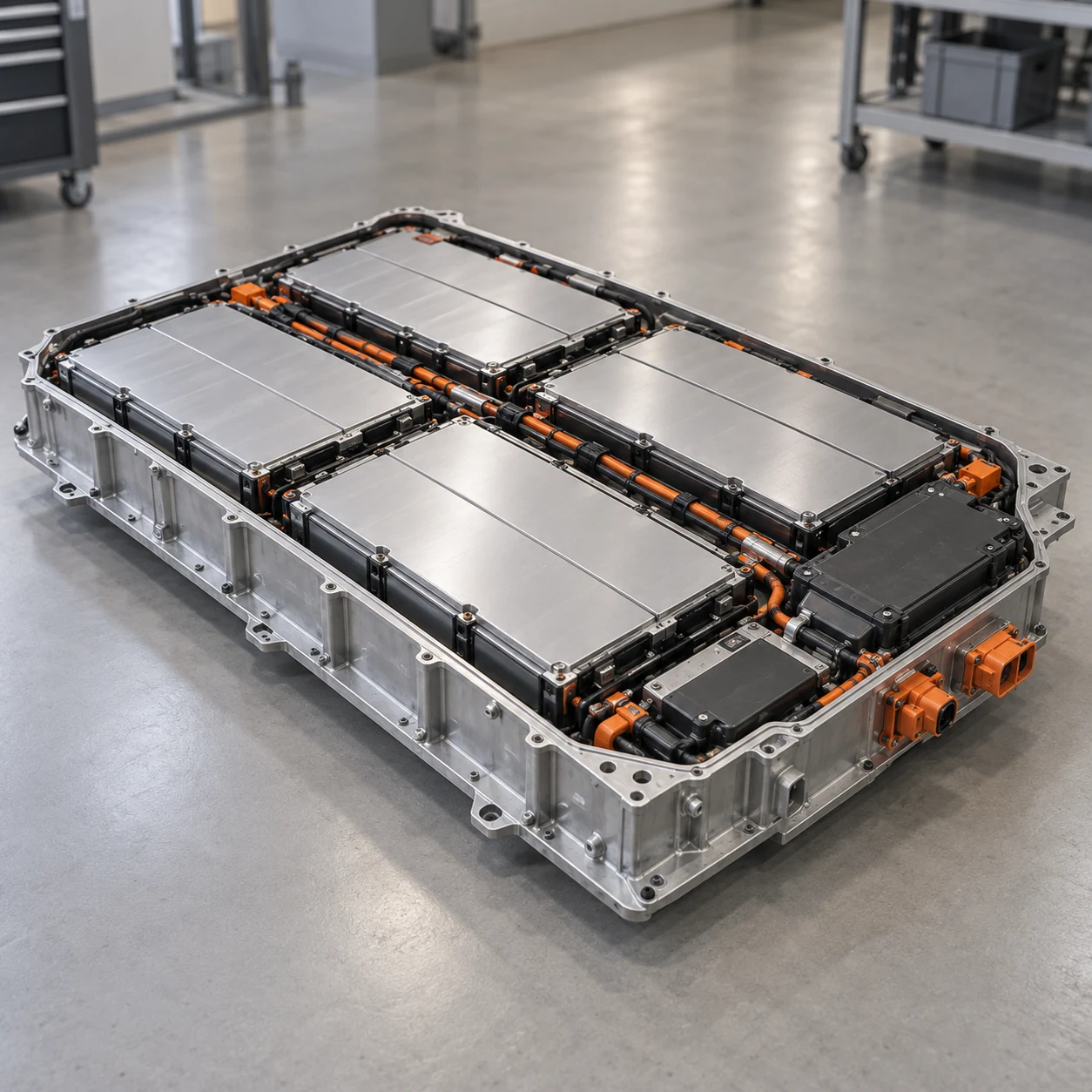
From this date, battery passports are required for electric vehicle batteries, light means of transport batteries and industrial batteries above 2 kWh placed on the EU market or put into service. Start preparing your product data today.

Explore the requirements